
How much are your Pokémon cards worth? A UK value checker
Type a card's name, set or number and read its price in pounds. It is free and needs no account. Below is a plain guide to valuing your own cards.
Try “charizard base” · “umbreon vmax” · “4/102”
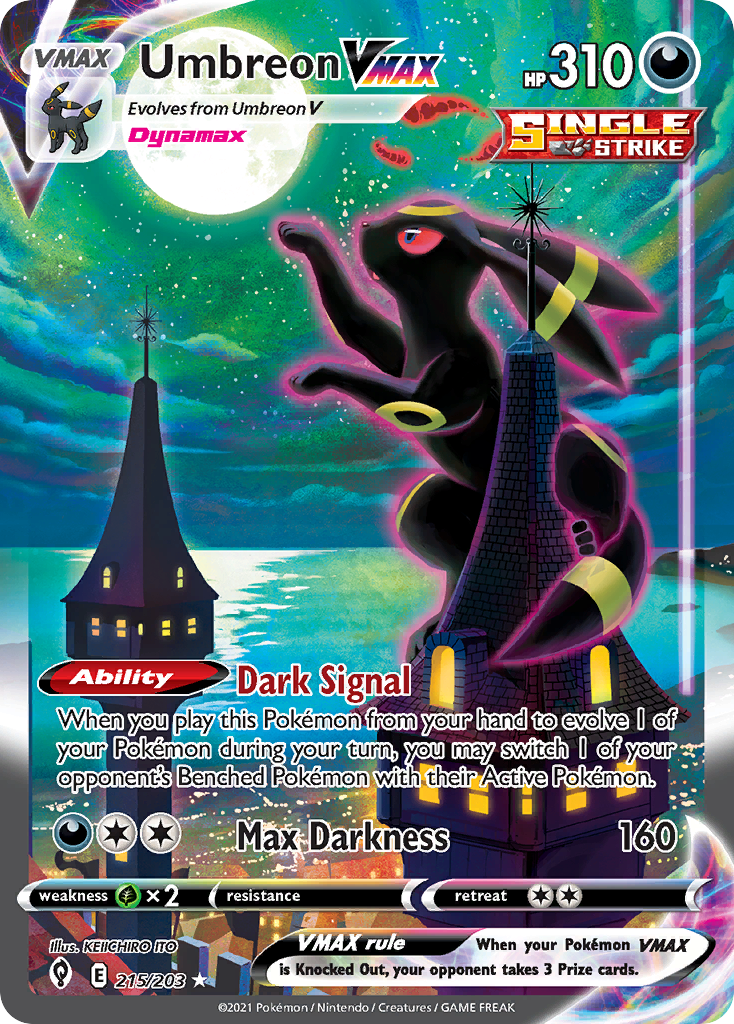
Work out which card you actually have
Most value mistakes start here, because the same Pokémon appears on dozens of different cards. Three things printed on the card settle it.
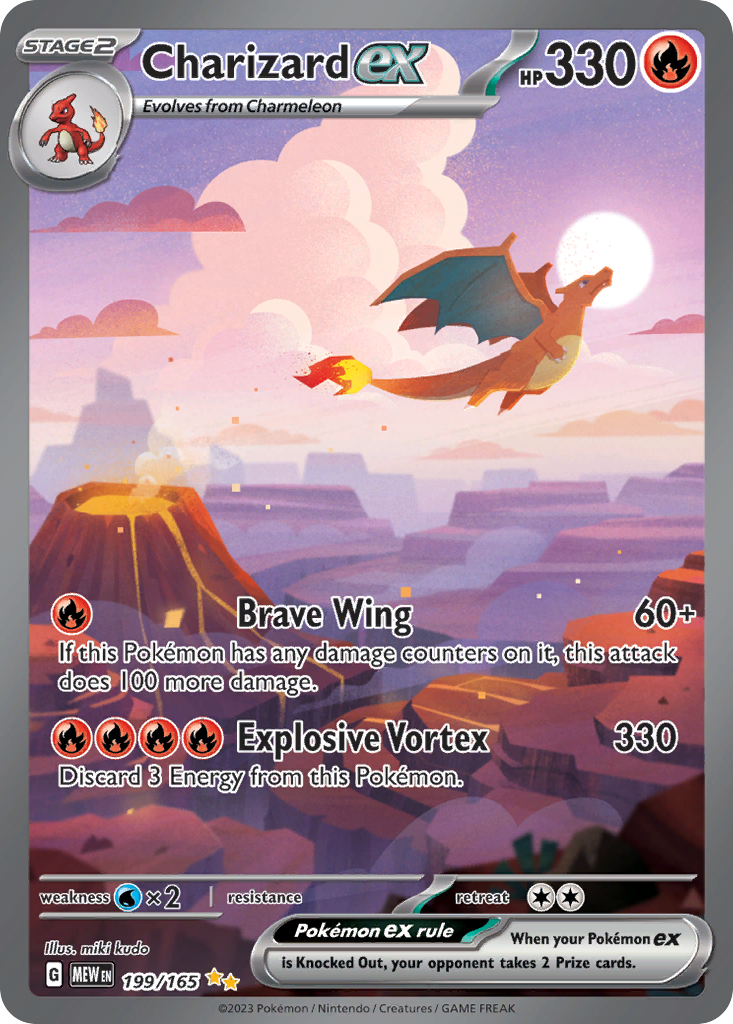
- The name
- Top left. Suffixes such as ex, V, VMAX or GX make it a different card, with a different price.
- The set symbol
- Bottom left on modern cards. It tells you the set, and the same Pokémon in two sets can be worlds apart in value.
- The number
- Written like 199/165, meaning card 199 in a set printed with 165. When the first number is bigger, as here, it is usually a secret or special rare.
Older cards put the number on the right. Base Set Charizard reads 4/102. Check the version as well: holo, reverse holo and 1st Edition copies of the same card can sell for very different prices.
In the search box, a name plus a set, such as “charizard base”, or just the number brings up the right card first.
Be honest about condition
Prices you see online are almost always for near mint. A played card is worth less, sometimes a lot less. Pick the closest match.
Looks fresh from a pack. At most a speck of wear.
Light wear on the edges or surface. No creases.
Clear whitening and wear, but still solid.
Heavy wear, scuffs or creases.
Tears, bends, water damage or writing.
Collectly’s headline price is the near-mint price. When you add a card to your collection you set its condition, and it is valued at that condition rather than at the headline. How much condition matters differs from card to card, so do not apply one flat discount.
Sold prices and asking prices are different things
What a seller hopes to get. Anyone can list a card at any price, and many listings never sell, so the cheapest or the dearest listing tells you very little.
What a buyer actually paid. It is the better guide to value, though it lags the market and a rare card may only have a few sales behind it.
Collectly’s prices are in pounds, anchored to real sold prices from Europe and America and checked against current eBay UK listings. Graded prices work differently: they come from asking prices, so read a graded figure as what people are asking, not what it will sell for.
When is grading worth it?
Grading means paying a company to check a card and seal it in a slab with a score out of ten. For some cards that makes them easier to sell, and worth more. It only pays off when three things line up.
- The graded price is clearly higher than the raw price, at the grade your card can realistically get.
- The difference covers the grading fee, postage both ways and insurance.
- Your card genuinely looks the part: centred, sharp corners, clean edges and surface.
Do not price your card at the top grade’s figure. Most cards do not get the top score, so look at what the lower grades sell for too. Collectly’s free grade check gives a likely range from one photo. It is an estimate, not a guarantee, because only the grader decides.
See how a price reads
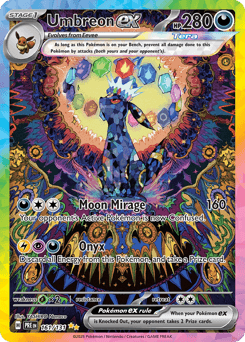
Near-mint prices in pounds, read from the same data as each card’s own page
Got more than a few cards? Scan them with the card scanner or bring a list over, and the collection tracker adds it up. Browsing? The price guide lists the highest-priced cards and every English set.
Questions people ask.
How do I find out how much my Pokémon cards are worth?
Work out exactly which card you have from its name, set symbol and number. Then search for it, pick your condition honestly and compare the price with recent sales rather than a single listing. The search box at the top of this page does the lookup for free.
Is the Pokémon card value checker free?
Yes. Searching for a card and reading its price does not need an account. An account is for tracking your own cards, so the total value of a collection is worked out for you.
Why does the same card have different prices on different sites?
Usually asking prices against sold prices, different conditions or versions, or dollars converted into pounds. Compare like with like.
Where do Collectly's prices come from?
Prices are in pounds, anchored to real sold prices from Europe and America and checked against current eBay UK listings. The price shown is for a near-mint copy, and the card page shows the readings behind it.
How do I value a whole collection, not just one card?
Searching one card at a time works for a handful. For a binder or a box, add your cards to a free Collectly account by scanning them or importing a CSV, and the collection's total value is worked out for you.
More on Pokémon card values.
Point your phone at a card and see what it is and what it's worth in pounds.
Read the guide →The most valuable cards right now, the newest sets and every English set.
Read the guide →Your whole collection's value, set completion and wishlist in one place.
Read the guide →Coming from another app? See how switching works. Want it on your home screen? Here is how to install Collectly on iPhone or Android.
Know what the whole collection is worth.
Make a free account, scan or import your cards, and see one total in pounds.